Loch of ages
Returning to a favourite ride
Pedalling around Lochs Faskally and Tummel in highland Perthshire last month I was tempted to imagine the landscape timeless. Starting close to Pitlochry’s Festival Theatre, the single track traces their south shores: climbing beside the frothing Linn of Tummel, then diving to join a shoreline stretching to the horizon, and bisecting darkly shadowed woodland.
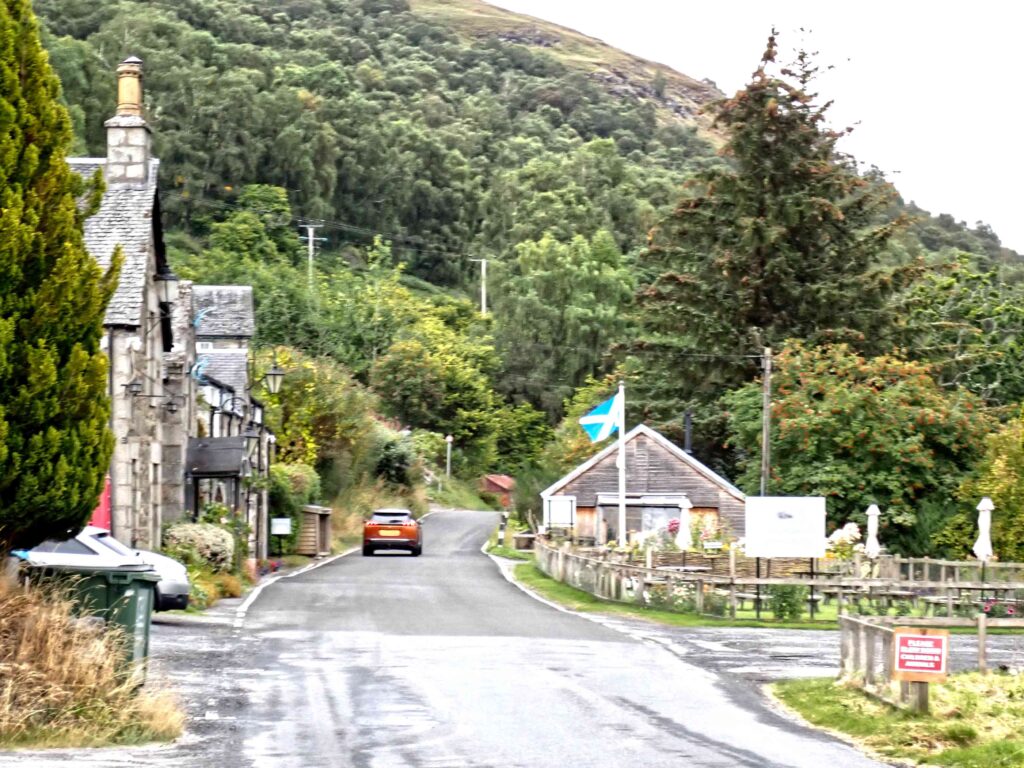
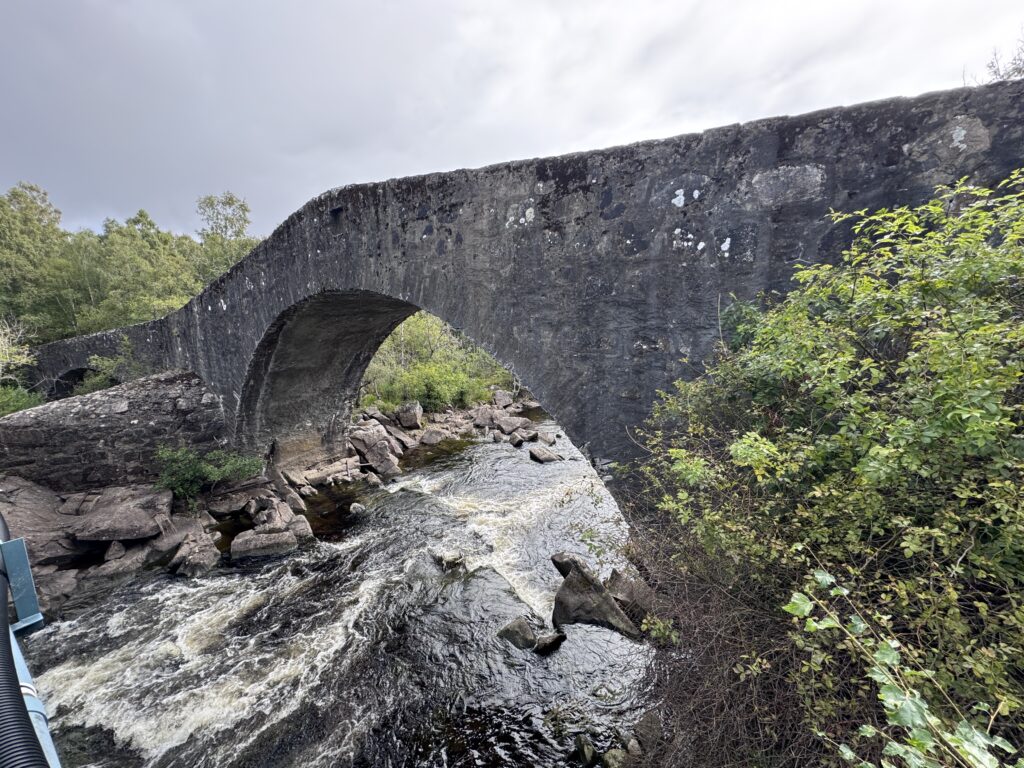
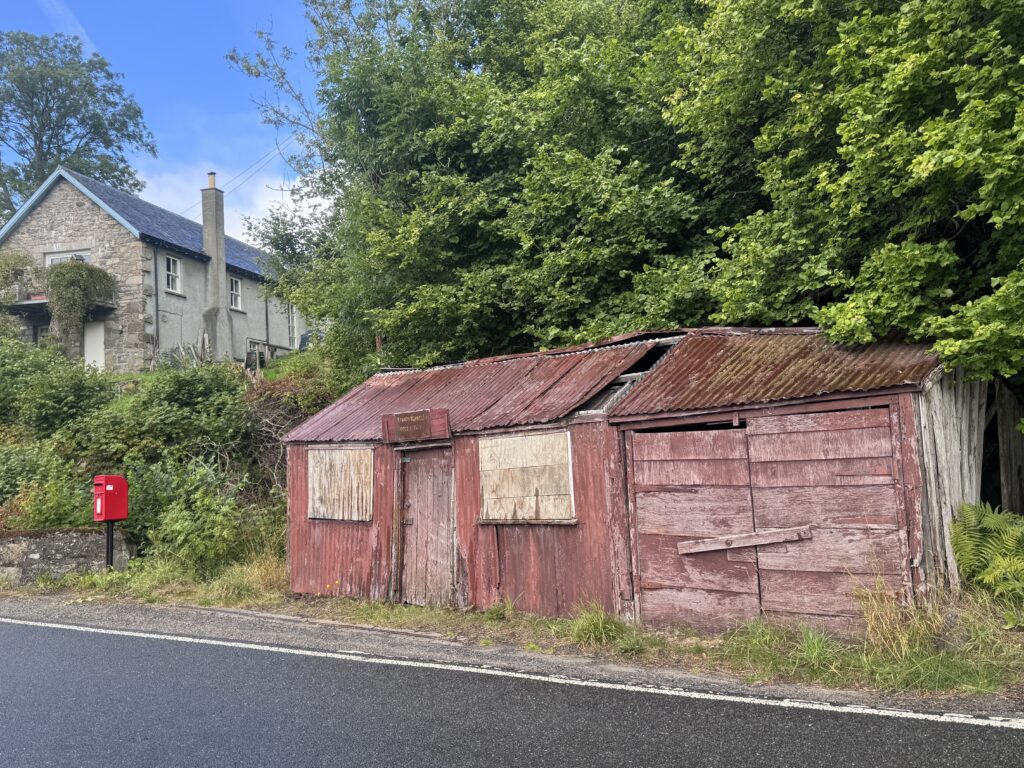
Route-side settlements appear unchanging. Strathtay’s long-abandoned timber Post Office still edges towards collapse. General Wade’s Tummel bridge vaults the river as it has since 1730. And the pepper pot roofs of Bonskeid’s gatehouses are the same toy-town baronial that they have been since 1881.
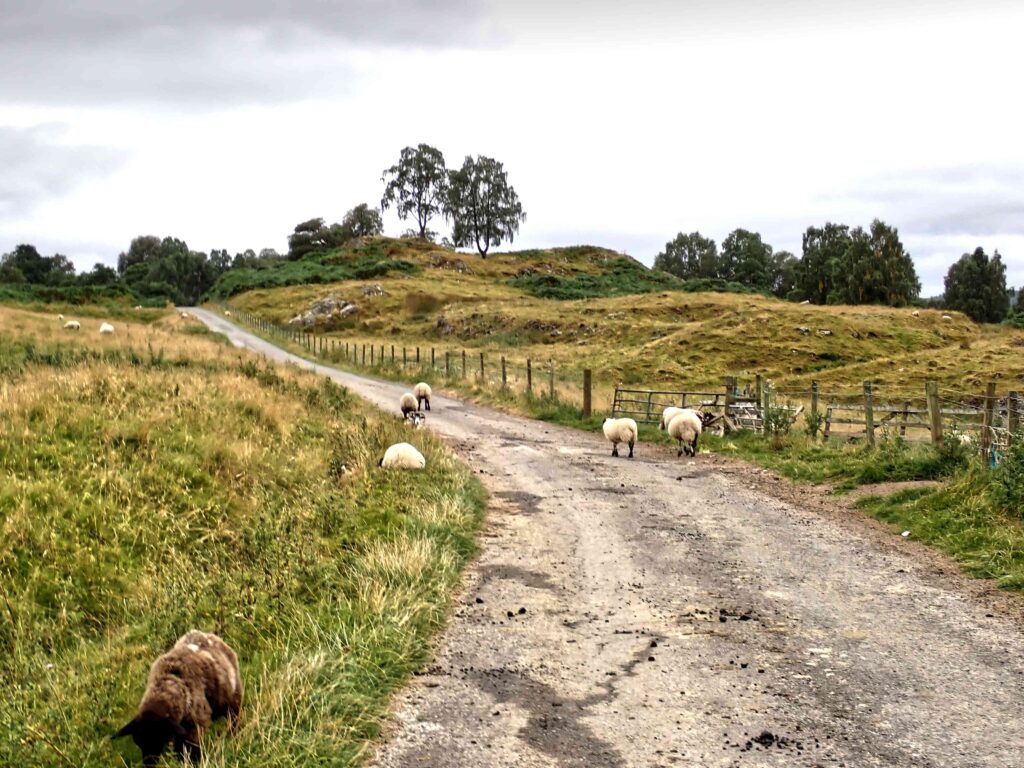
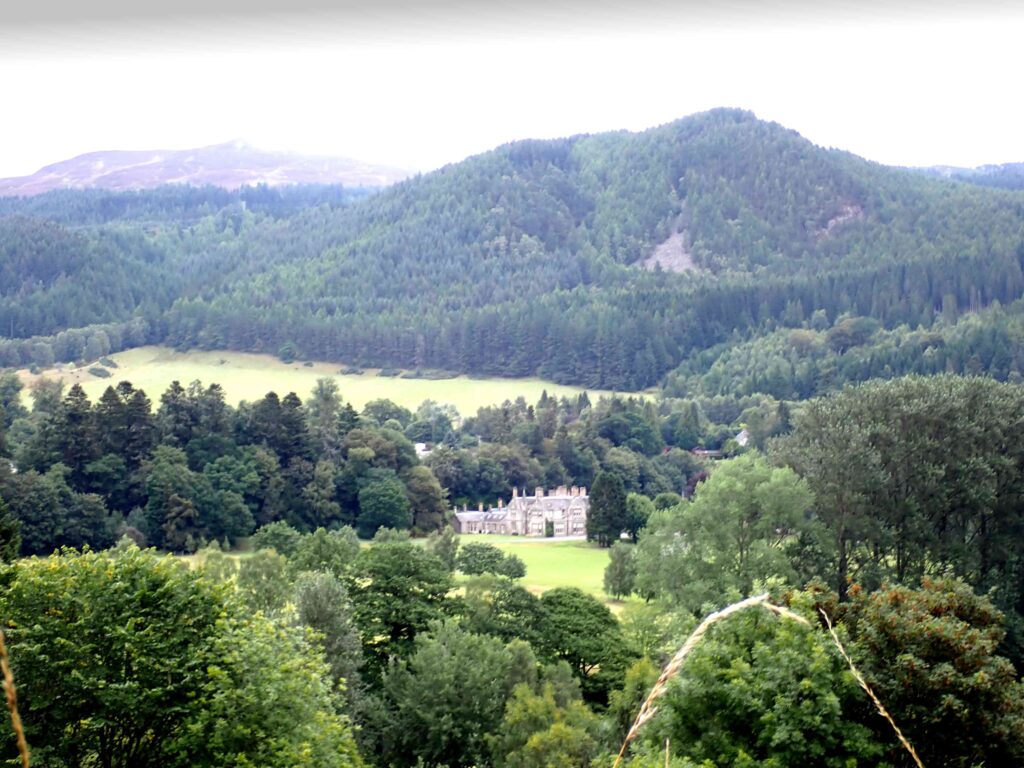
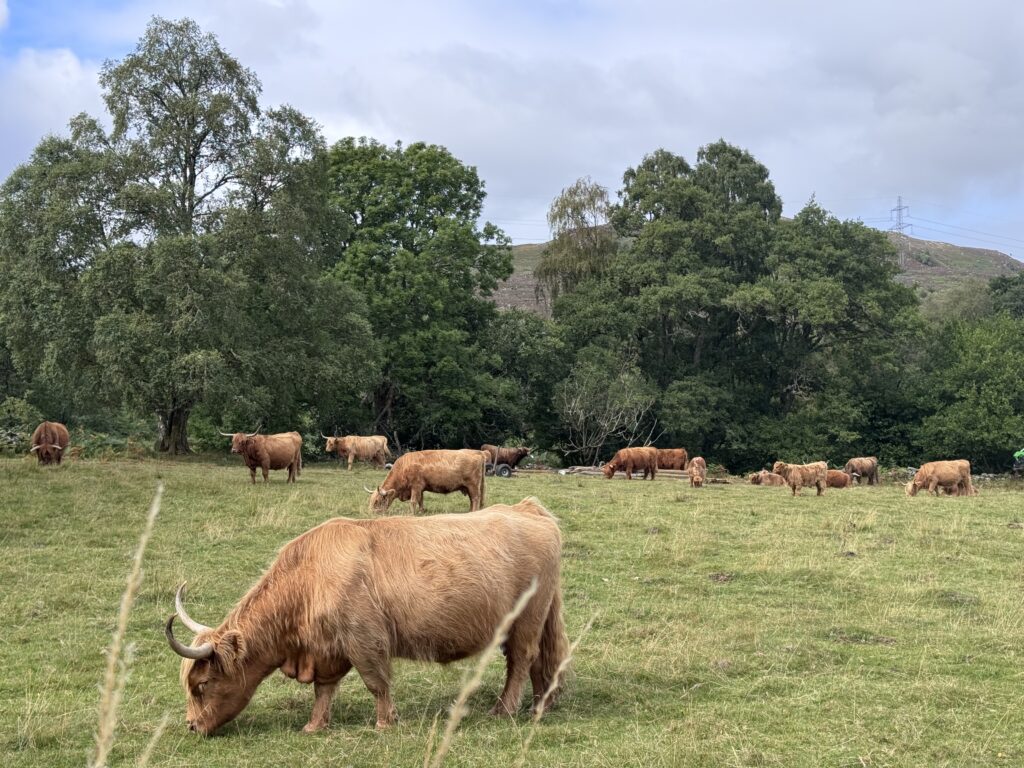
For a few years either side of the millennium this was my regular weekly loop, promising interest and aspect at every turn. It passes remote hillsides, distant mansions and endless dramatic waterscapes. And with 600 meters of climbing there is just enough to sweat over, if you want to put in the effort.
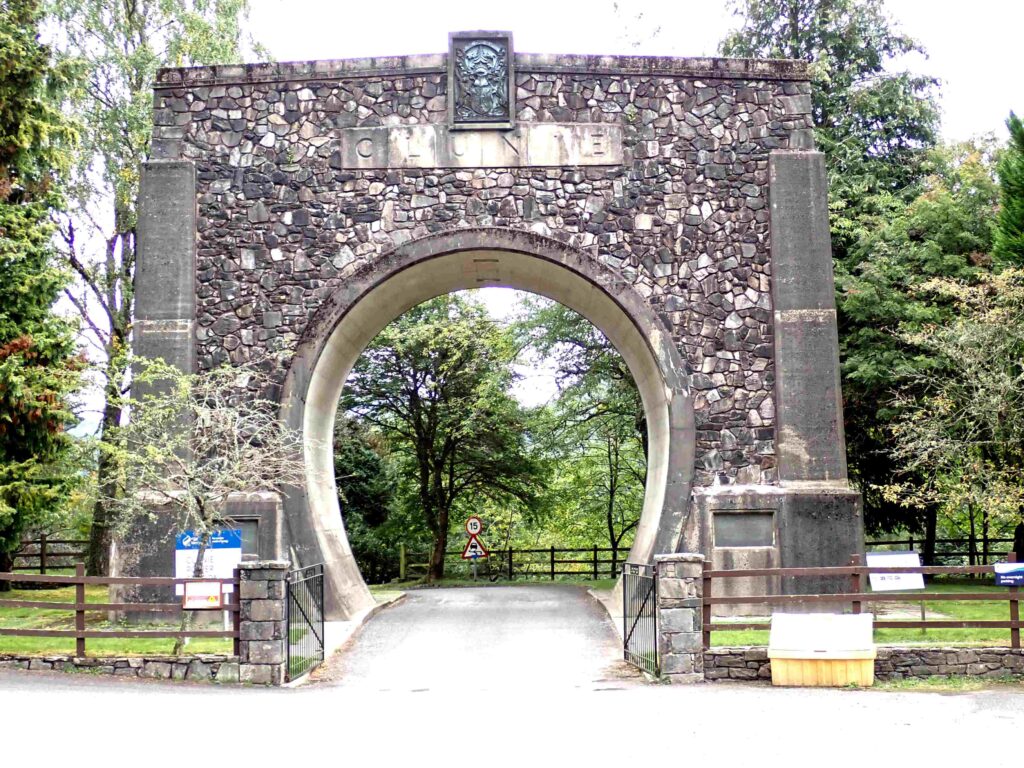
Returning after a quarter century, there were many familiar friends – the isolated cottages, the dramatic Clunie tunnellers’ memorial, and a standing stone among them. Schiehallion’s 1,083 meter cone still towers to the west.
But the harder I looked, though, the more changes revealed themselves.
It was a perfect Perthshire August morning – by turns bright sunshine, thick mist, a hint of drizzle, and decent westerly on the return leg.
In the late 1990s, occasional wild campers visited the little-used southern road. Then, they pitched late and departed early. Since 2003’s Land Reform Act (Scotland) legalised roadside tent stops, there has been a dramatic change. On a warm August weekend, I gave up counting after passing about 20 tents beside the loch. Bedding down within sight of your parked car seems at odds with the ‘right to roam’ impulses that propelled this reform, I reflected. I don’t begrudge a cheap get-a-way, but it has transformed traffic volumes on a formerly very quiet road.
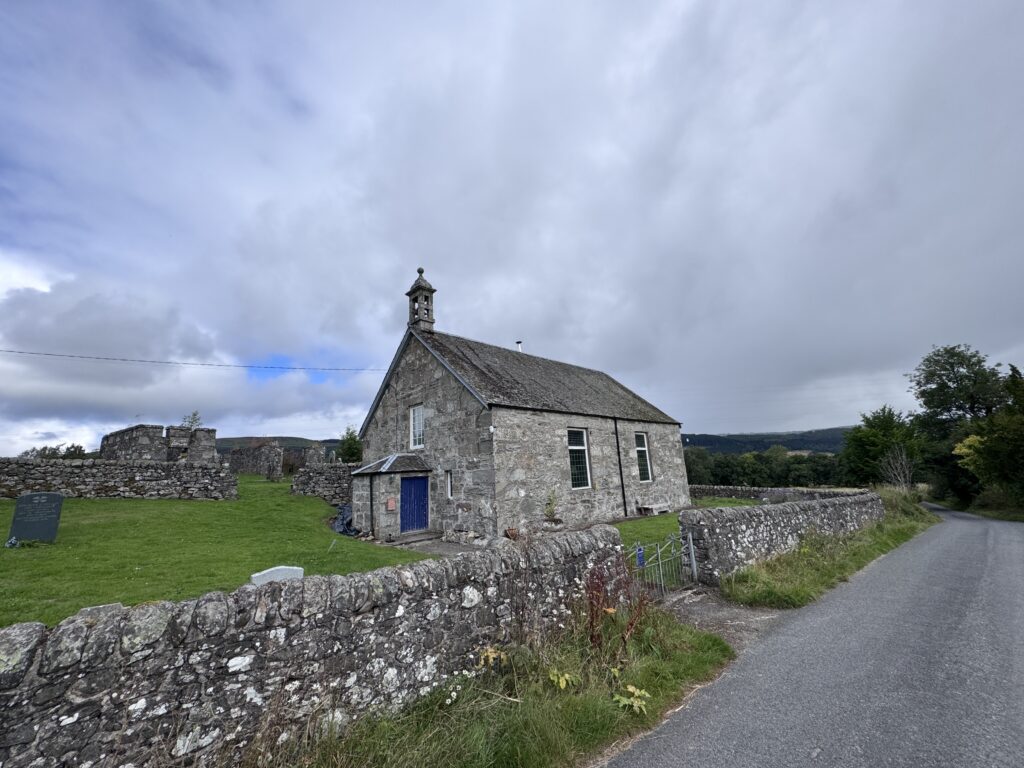
Foss, which lends its name to the southern road, only just qualifies as a hamlet. Its modest, slightly gothic Church provided its nucleus. Today, however, it is a Church no more. Subsequent inquiries reveal that it was marketed in 2019 at offers over £25,000, and bought by an Edinburgh journalist.
Reuse of redundant buildings is welcome, but ‘Foss’ atrophies a little without its place of communal worship.
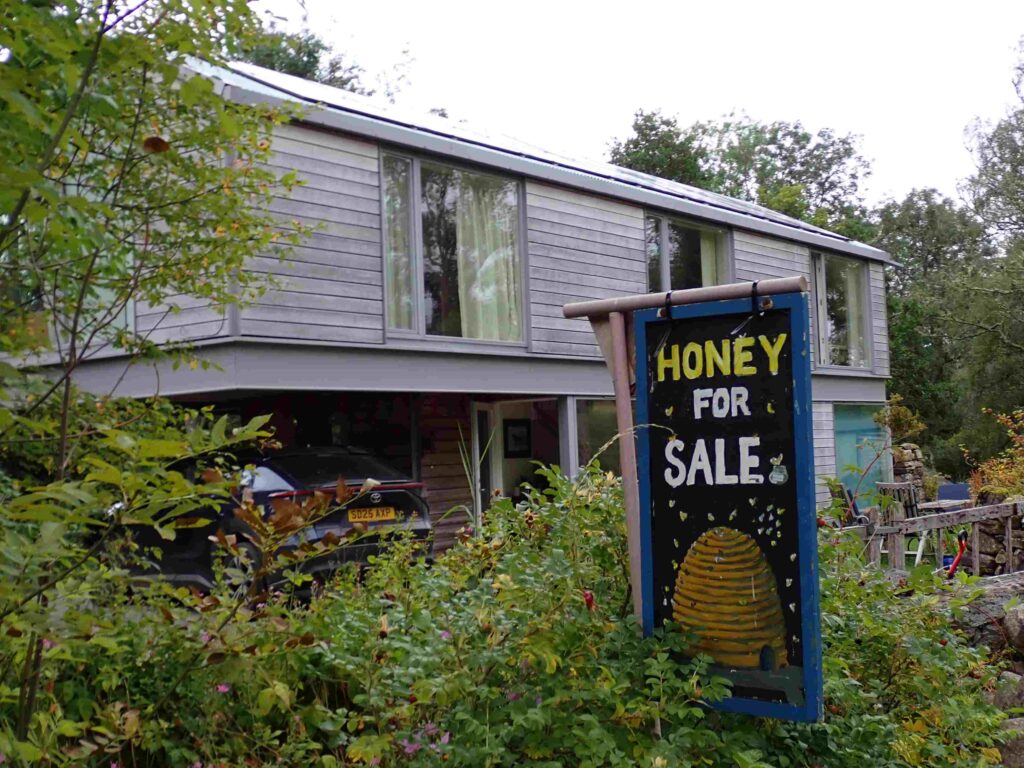
A little further on is a dramatic new house – steel-framed, lavishly fenestrated and cantilevered over both water and car port. Taylor Architectural Practice, its designers, say that the £250,000 build stands on the site of a former flax mill. It can’t have been much more than a pile of stones, but their replacement is as bold as it is impressive. And the honesty-box honey that I bought at the end of its drive yet provides breakfast mouthfuls of highland flora.
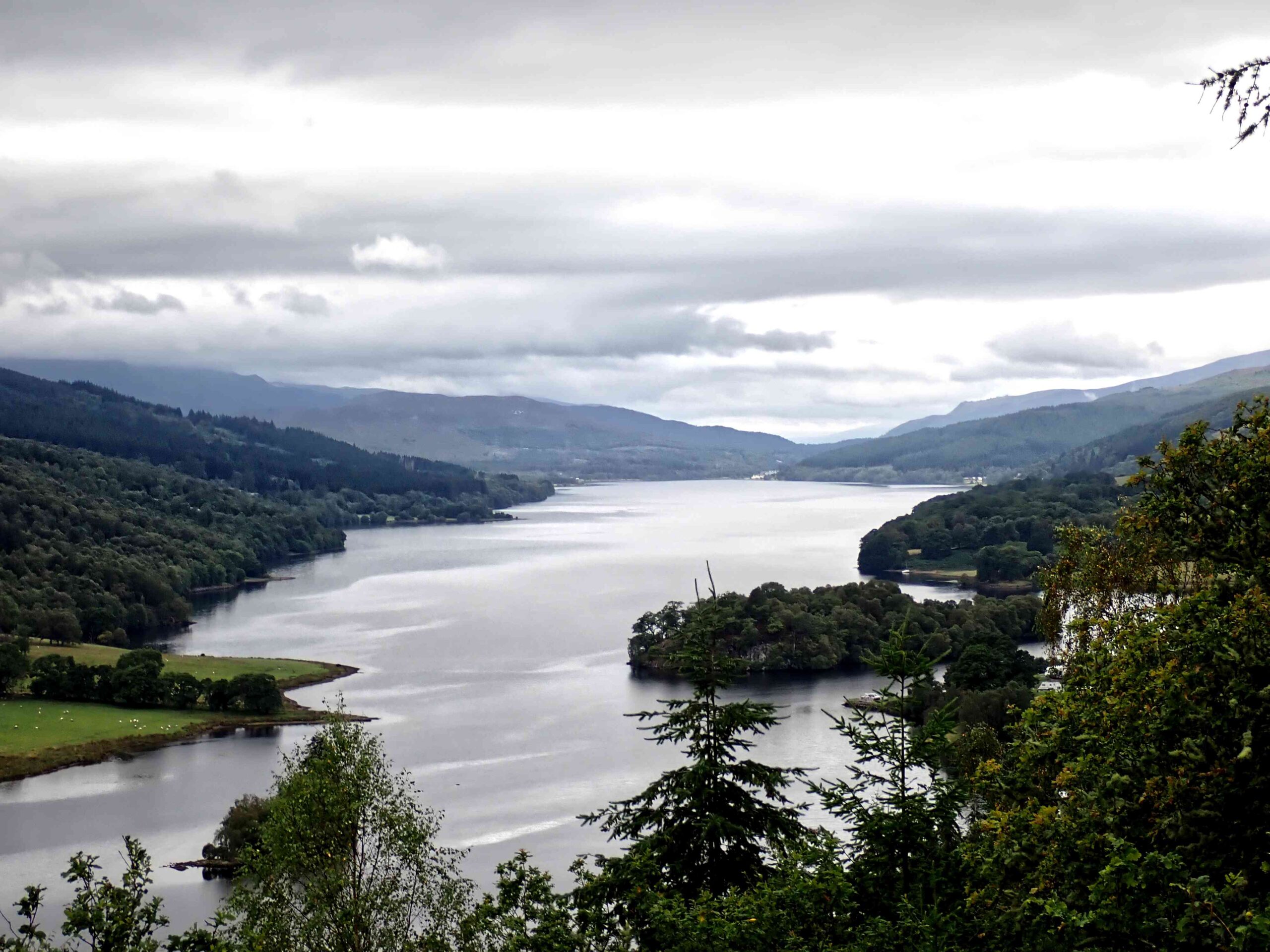
From Queen’s View on the return leg I enjoyed the dramatic prospect that has impressed visitors for centuries. That view also gives lie to any sense of this being a ‘timeless landscape’. At the launch of the full hydro-electric scheme in 1950, Loch Tummel gained 4.5 meters in depth. Designed to turn turbines, the hydro-electric scheme turbocharged the view.
The austere modernism of Pitlochry Dam, Tummel Bridge Power Station and Errochty Power Station were among the other welcome additions. They are now so familiar as to feel like organic elements of the landscape – its worth remembering, though, that the Tummel-valley scheme was bitterly opposed at the time of its construction.
Over the vertiginous Garry Bridge I rejoined the old A9 for the final kilometres back into Pitlochry, elation coursing.
For two hours and 45 kilometres an ancient friend and I had reconnected and found each other as absorbing as ever. My effort was repaid many times over, not least by the realisation that permanence and change necessarily coexist, inextricably woven – and that is surely the secret of all great friendships? I will return to my favourite loop a lot sooner next time, with antenna primed for whatever the future holds as well as that which endures.